Across East Africa, a consistent pattern has emerged among individuals and families who give.
Generosity is abundant. Governance architecture is not.
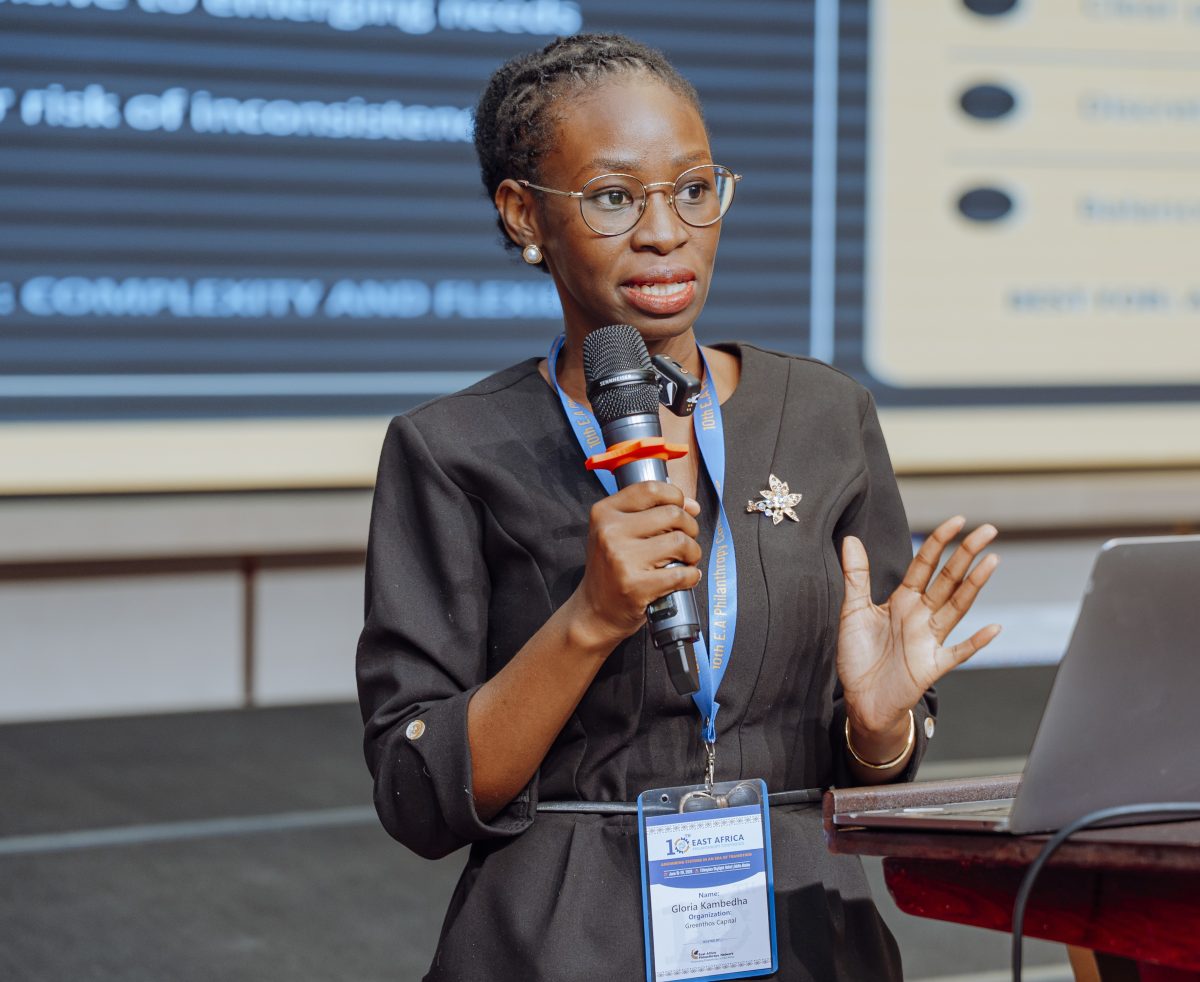
This observation was central to discussions at the 10th East Africa Philanthropy Conference in Addis Ababa, where philanthropists, practitioners, foundations, and development leaders examined how the region’s giving culture can be strengthened through better structure.
The full conference paper, From Giving to Stewardship: Engaging HNWIs Through Endowments and Trust-Based Philanthropy, is available here
For most individuals and families, philanthropy begins naturally. A child needs school fees. A community needs support. A hospital requires equipment. A relative needs help starting a business. The giving is immediate, personal, and deeply meaningful.
But over time, the scale changes. Requests multiply. Expectations grow. Family members become involved. Questions arise about fairness, sustainability, and long-term impact.
At that point, generosity and instinct are no longer enough. Governance becomes necessary.
Good governance helps answer questions such as:
- How should decisions be made, and who should be involved?
- How do we stay aligned with our values as circumstances change?
- How do we support people without creating dependency?
- What happens when we are no longer here?
- Should future generations follow our priorities or establish their own?
These are all questions of stewardship.
Across the region’s communities, enormous resources already flow toward social good: diaspora remittances in the billions, entrepreneurs funding schools and hospitals, families quietly providing social protection for entire networks of dependents.
What remains underdeveloped is the governance architecture required to steward these resources effectively over time. As wealth grows, the conversation must evolve toward continuity, accountability, and institutional resilience:
- How do we ensure philanthropic commitments survive leadership transitions?
- How do we preserve purpose across generations?
- How do we move from personal generosity to institutional impact?
These questions point toward structures (endowments, trusts, foundations) whose purpose is not simply to hold capital, but to preserve judgment, responsibility, and trust across time. Structure is the framework through which values become decisions, decisions become action, and action becomes lasting impact.
As Africa continues to generate wealth, the defining question will not be whether capital is available. It will be whether that capital has been entrusted to structures capable of carrying purpose beyond the people who created it.